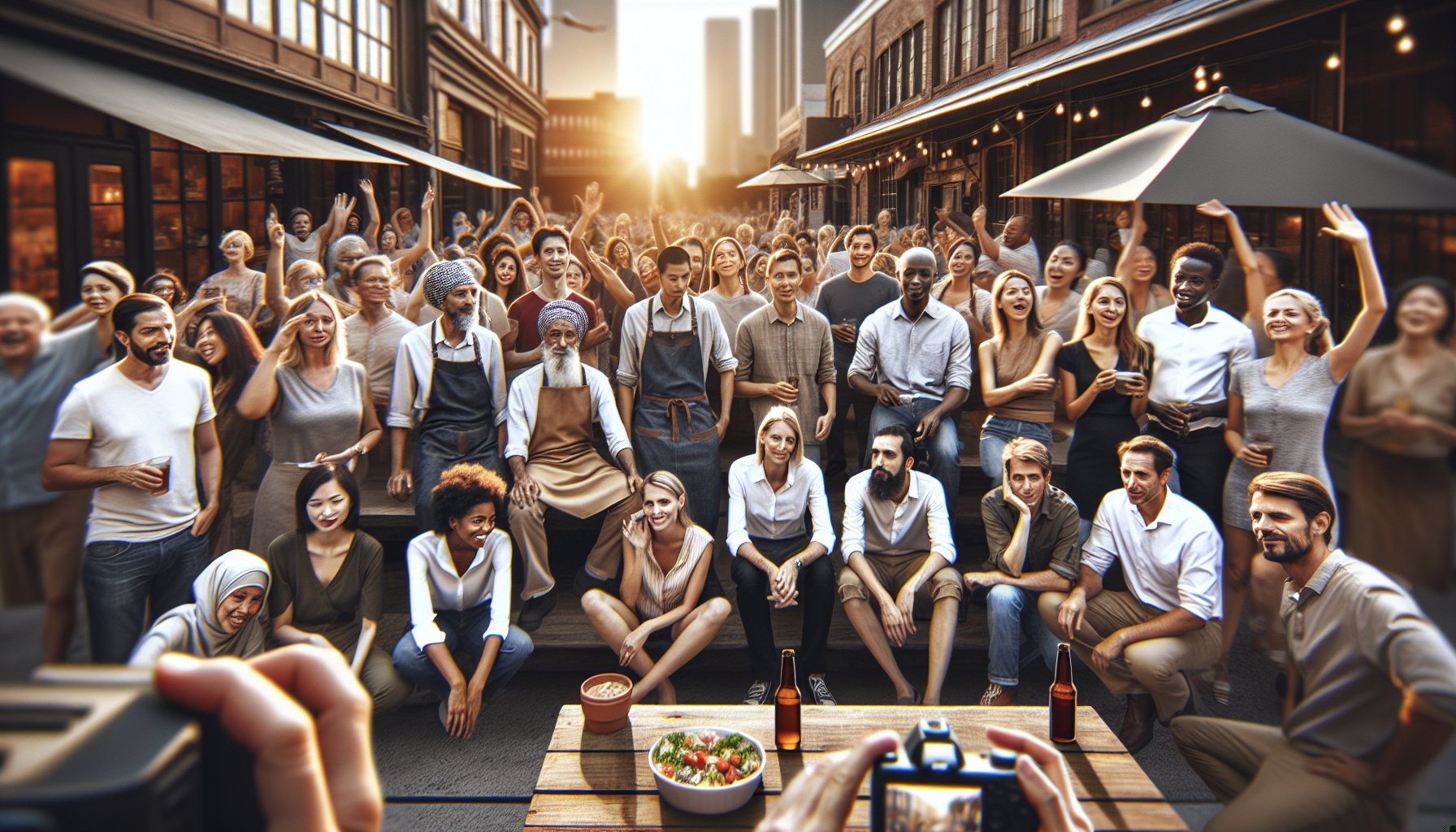
Food is not just a necessity for survival; it is an art, a culture, and a means of communication. Since ancient times, people have gathered around the table to enjoy dishes and share stories. In every country and region, there are culinary traditions that reflect the heritage and customs of the people. In the modern world, gastronomy has become an integral part of cultural exchange. Traveling allows us to discover new flavors, habits, and recipes. Street food in Bangkok, pasta in Rome, or sushi in Tokyo — each dish tells its own story and transports us to another culture. Social media has facilitated the spread of culinary trends, and now we can try dishes from different countries without leaving our city. However, food is not just about geography; it is also about ecology. In recent years, more people have been thinking about their food choices and their impact on the planet. Vegetarianism and veganism are becoming popular, and the concept of sustainable eating is gaining traction. People strive to choose local products, support farmers, and care for the state of the environment. Culinary art has also become a form of self-expression. Many chefs experiment with ingredients and techniques, creating unique dishes that amaze the imagination. Culinary masters use their skills not just to feed but to surprise their guests. Cooking shows and competitions inspire people to prepare food and seek new recipes. It is also important to remember that food is a means of unification. Around a common table, we share joy, experiences, and dreams. Holidays and family gatherings are invariably accompanied by the preparation of traditional dishes that are passed down from generation to generation. In conclusion, it can be said that food is more than just fuel for the body. It is a language spoken by an entire culture, a way we can connect with other people and the world around us. The art of gastronomy continues to evolve, and we can only enjoy this journey into the world of flavors and aromas.